
In an effort to help protect the planet, Graham Packaging’s customer Danone has redesigned its iconic Danacol bottle with the aim that by 2025, 100% of its packaging is recyclable, reusable or compostable.
To do this, the company has eliminated its PET plastic label, instead replacing it with an embossing on the bottle itself. This not only improves its recyclability, but also reduces the overall amount of plastic used per bottle by 0.72 grams. This will create an annual saving of 130,000 kilos of plastic annually.
To maintain the quality of the product, the bottle has been given opacity and color to prevent light from affecting it. Instead of the label, it has opted to add both the logo and the brand’s slogan. In addition, a color code has been designed to facilitate the differentiation of flavor through the lid of the container.
The design first launched in November 2021. Since this launch, Ainia has awarded the company with the Rigid Packaging Solutions award, which is given to the development of barrier and sustainability packaging solutions in the food industry on MeetingPack congress 2022.
The new bottle, which will be launched in the rest of European countries in 2022, has been co-created between the Danone Iberia R&D team and Graham Packaging. The design process, which began in April 2020, took more than 19 months.
Innovation is a building block in the success of any company. However, it is a common misconception that innovation only happens in the labs and technical centers by scientists and engineers.
Being a manufacturer of consumer goods has a lot of perks – we get to work with some of the most recognized companies and brands in the world, we get to see the items we make on the store shelves and in our own homes, and we get first-hand experience using the products in our kitchens, garages, and laundry rooms. Products are reviewed and rated every day on e-commerce platforms. Every time we interact with a product, we gleam insights and experiences in what works well and what can be improved. Identifying the challenges – whether we think they are solvable or not – is one of the first steps in the innovation process.
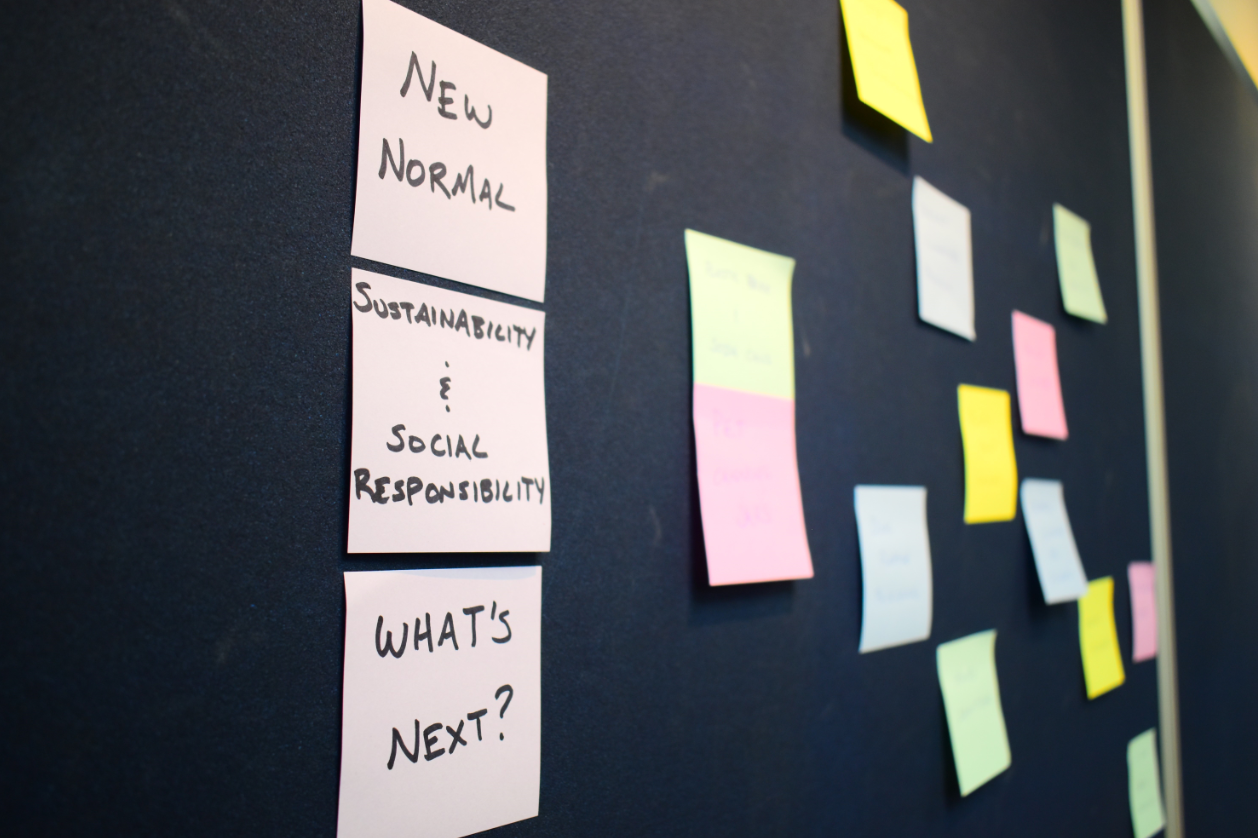
Another area where everyone should get involved in is brainstorming. Brainstorming is one of the most powerful group bonding experiences with outcomes that can be ground-breaking for companies. Each member of a brainstorming team brings a unique point of view. Whether it be roles in an organization (operations, marketing, or product development), demographics, or geography, we creatively spark off one another to create more fruitful designs. Brainstorming has traditionally been done together in-person. Cross-functional teams come together using techniques to engage everyone in a supportive environment, think past preconceived notions, and promote creative thinking. Today, we are using online collaborative tools from web-based white boarding to crowdsourcing ideas with comments and ratings. The key to all of these methods is collaborating with others and inspiring others to be part of the fun of innovation.
Innovation is an incredibly powerful tool in building new products while also building moral and team comradery. Take the opportunity to share your opinions on products. When we use our own distinctive journey to identify challenges, we have a more holistic view to innovate towards. When it comes to brainstorming, share your innovative ideas with others. Ideas build upon each other, so let’s build a solution together.
If you have a packaging challenge that you need help solving, come to us!
You may think of virtual reality as something that seems more suited for the video game world than the plastics packaging industry, but both virtual reality and augmented reality are two powerful tools that Graham is adding to its toolbox. From remote assistance and maintenance to training new employees, Graham is working on incorporating this potent technology even further into our operations.
Though they often get mixed up with one another, virtual reality and augmented reality are two different types of technologies that are equally important to Graham, according to Marcin Radomski, Senior Mold Designer and Process Improvement Leader. Augmented reality adds digital elements to real-world view by using either a special set of glasses or the camera on a smartphone. Examples of augmented reality experiences include things like the game Pokémon Go or social media filters. Virtual reality instead is a complete immersion experience into a three-dimensional, computer-generated environment that shuts out the physical world. To interact with this virtual reality world, the user has to wear a special headset device that takes the user into a totally different environment.
Graham is currently using virtual and augmented reality in a handful of plants around the world in a variety of ways, including for collaborative maintenance and repair where frontline workers can collaborate with remote experts on a PC or mobile device to troubleshoot issues.
Virtual training is another area of opportunity. Radomski notes that virtual reality could be used for everything from training new hires on how to use specific machinery to allowing maintenance teams to virtually practice the process of fixing a complicated piece of equipment, without the risk of harming themselves or the machine.
“It empowers the technicians to collaborate more efficiently by working together from different locations,” says Radomski. “You can learn by doing.”

Though Graham is already using the technology for maintenance repairs, troubleshooting and real-world training, there are several different possibilities it is also investigating, including things like safety training.
“Imagine that instead of just watching a video talking about fire safety that the employee can wear a pair of virtual reality glasses to simulate a fire situation and how to properly react,” says Radomski. “This creates a much more realistic scenario that is more engaging and doesn’t put the employee in harm’s way.”
Radomski notes that the technology can also be used for building different soft skills. For example, now living in a COVID world, there is an opportunity to take videoconferencing to the next level with virtual reality. Instead of just sitting in front of a computer, all of the participants in a meeting could instead wear virtual reality glasses that let the users actually see and interact with each other.
“Remote users can collaborate, search, brainstorm and share content as if they were in the same room,” says Radomski. “Augmented reality can be helpful as a tool for effective teamwork.”
Not only can the technology be used internally, but its use also will make a big difference for customers. Virtual and Augmented Reality could let Graham optimize the inspection process, thereby reducing the time to market for customers, and helps it meet its sustainability goals by reducing the use of paper. Additionally, using Augmented Reality will help ensure Graham provides a consistent and reliable supply of products to customers since the technology allows the company to respond and solve complex issues quickly by leveraging its global subject matter experts – wherever they happen to be in the world.
At a time when COVID has halted a lot of travel or required alternative no-contact fixes, augmented and virtual reality has been pushed onto the main stage, says Radomski. While both technologies are already in use at Graham, he says he is excited to see how far the company can take them moving forward.
“This technology is very potent,” he adds. “With these technologies, the future is now.”
Lancaster, Pennsylvania – Graham Packaging, an industry leader in the design and manufacturing of innovative and sustainable packaging solutions, was identified by the Sustainable Packaging Coalition (SPC) as an innovator of reusable packaging, winning the Innovation in Recovery award. Specifically, the SPC recognized Graham’s REFPET returnable, refillable PET containers as a leading sustainability solution that results in 47% longer reuse cycles than its previous generations of REFPET bottles.
Graham’s REFPET containers have been used to package beverages for large, well-known brands for over 30 years, but a recent creative upgrade solved a persistent challenge that faces most reusable packaging. When a bottle is reused, significant wear and scuffing can occur, which reduces the number of times the bottle can be reused before its aesthetic properties become unacceptable.
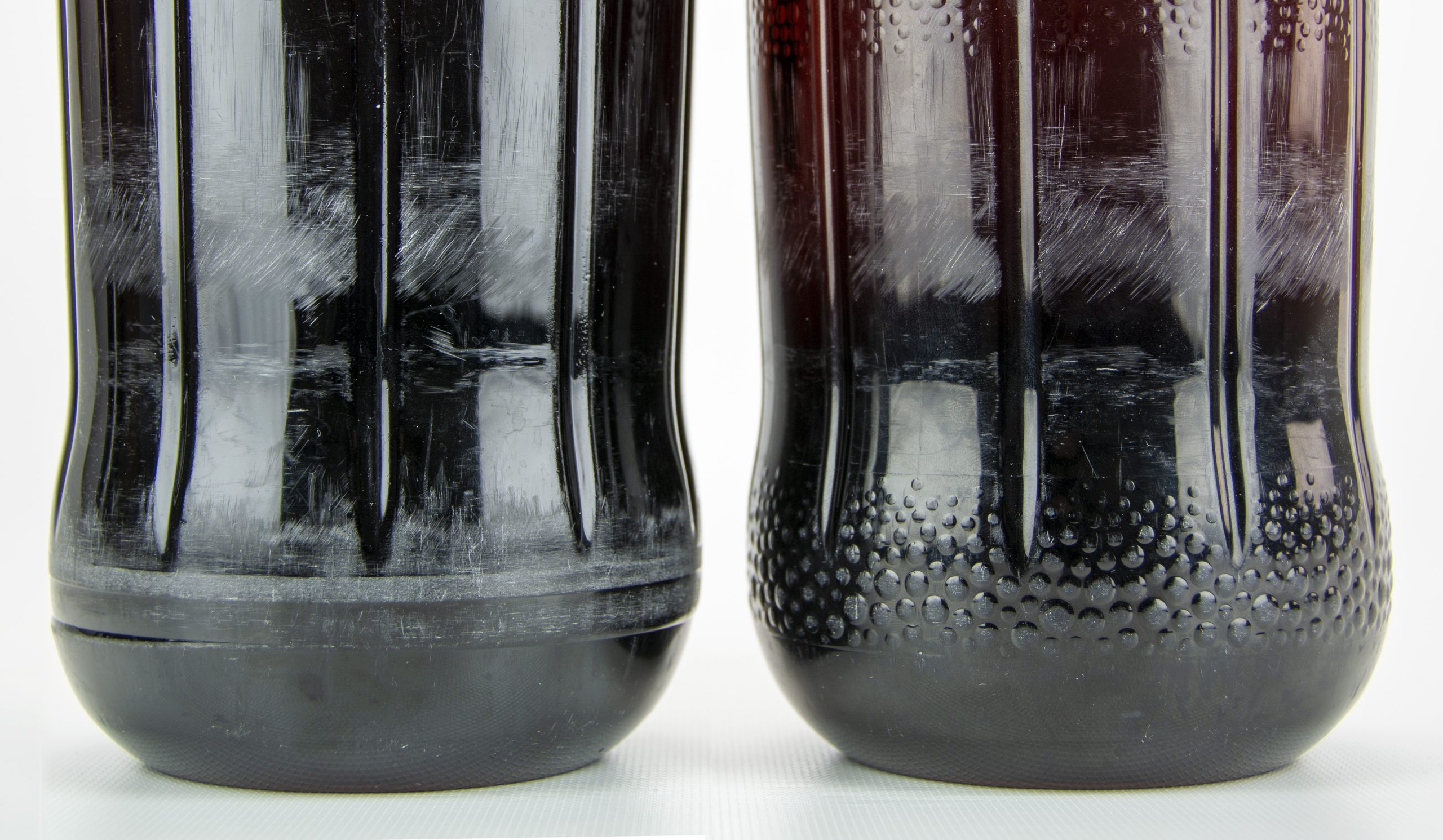
To combat this problem, Graham added a bubble texture to their REFPET Generation III bottles. This texture has increased the containers’ average number of reuse cycles from 17 to 25. The SPC recognized this effort by awarding Graham with a 2020 Innovator Award for Innovation in Recovery. They also noted that rather than avoiding the problem, the Graham team embraced the challenge to create a solution that both mitigated a loss and enhanced the visual appearance of the container.
“For us, sustainability is a part of everything we do, and innovation is core to who we are,” said Tracee Auld, chief sustainability officer at Graham Packaging Company. “To be recognized by a body such as the Sustainable Packaging Coalition says a lot about where we are already and where we need to continue to focus our efforts to deliver innovative, sustainable products.”